A hybrid athlete is someone who combines elements of endurance sports, such as running, cycling, or rowing, with strength training, like weightlifting or bodyweight exercises. This training approach focuses on developing both aerobic capacity and muscular strength simultaneously.
The growing popularity of hybrid athlete training reflects a desire for more variety and versatility in workout routines.
It’s not just about how fast you can run or how much weight you can lift; it’s about being able to perform well across multiple disciplines, whether that's a competitive event, an obstacle course race (OCR), or simply improving overall fitness.
In this article, we’ll dive into what it means to train like a hybrid athlete, how it differs from other training modalities, the benefits and drawbacks, and how to start training like a hybrid athlete yourself.
How hybrid athlete training differs from traditional training styles
Traditional training styles typically prioritize one of two things: aerobic endurance or resistance training.
Runners tend to focus exclusively on cardiovascular conditioning, often neglecting strength training. Weightlifters and bodybuilders focus on building muscle mass and power but rarely incorporate aerobic exercise into their routines.
Hybrid training blends the best of both worlds.
This means athletes are not just preparing their bodies for one type of physical challenge but for a variety of challenges. As a result, they develop balanced fitness that can support endurance, strength, agility, and overall athleticism.
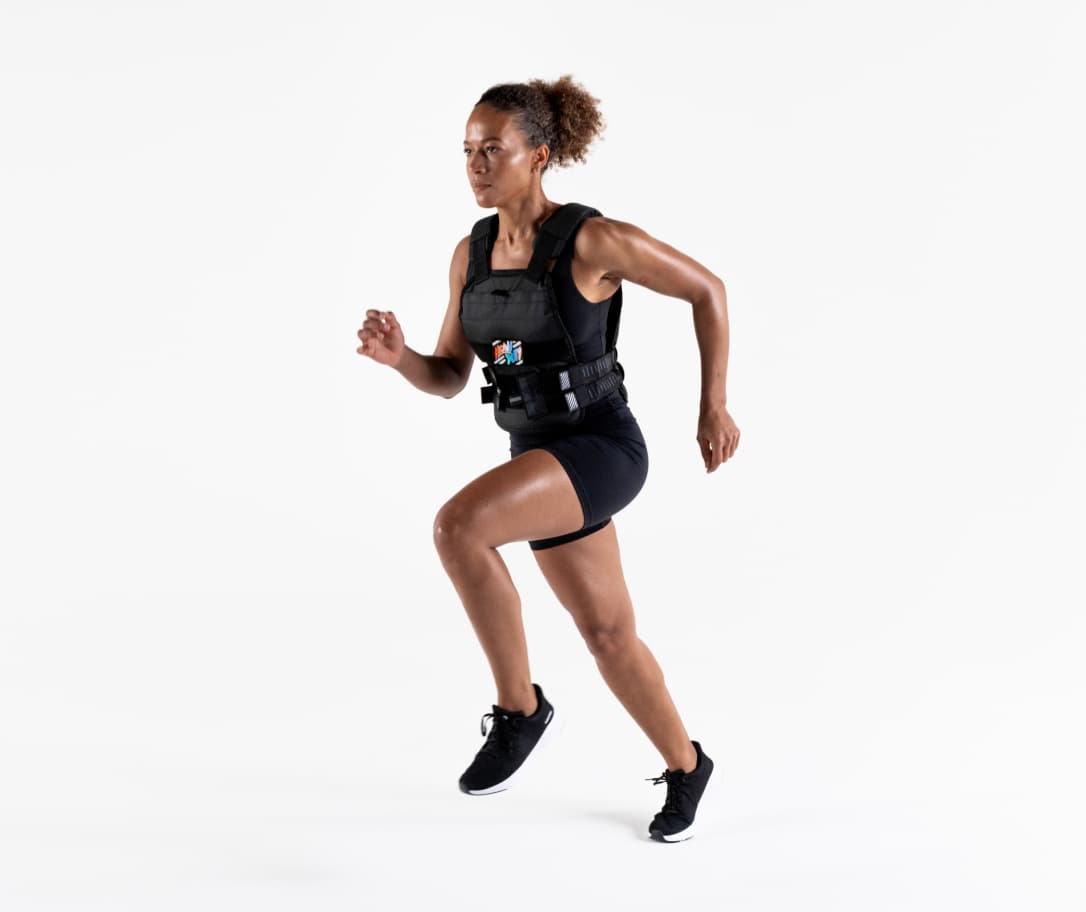
Benefits of training like a hybrid athlete
Training as a hybrid athlete offers a wide range of benefits. Let’s take a closer look at some of the key advantages:
1. Improves cardiovascular endurance and strength
One of the main benefits of hybrid training is its ability to develop both aerobic endurance and muscular strength simultaneously. Whether you're running a race or lifting weights, you’ll be building the stamina needed to perform well across a variety of activities.
By incorporating both endurance and strength elements into your routine, you'll notice overall fitness improvements – your heart will become more efficient, and your muscles will grow stronger.1
2. Promotes cross-training, reducing the risk of overuse injuries
Focusing too much on one type of exercise can lead to overuse injuries.
Long-distance runners are prone to issues like shin splints and knee problems. Hybrid training incorporates a variety of physical activities, which helps reduce the risk of these injuries.2
3. Adds variety to your workouts
Hybrid training is inherently varied, which means no two training sessions need to be the same. This variety helps keep things interesting and prevents workout monotony.
Switching between running, lifting, and bodyweight exercises ensures that you’re constantly challenging your body in new ways, which can increase motivation and improve adherence to your fitness program.
4. Enhances performance versatility
One of the biggest benefits of hybrid training is its ability to improve performance across multiple disciplines.
Whether you're preparing for a race, a competition, or simply trying to become more athletically well-rounded, hybrid training equips you to tackle a variety of physical challenges.3
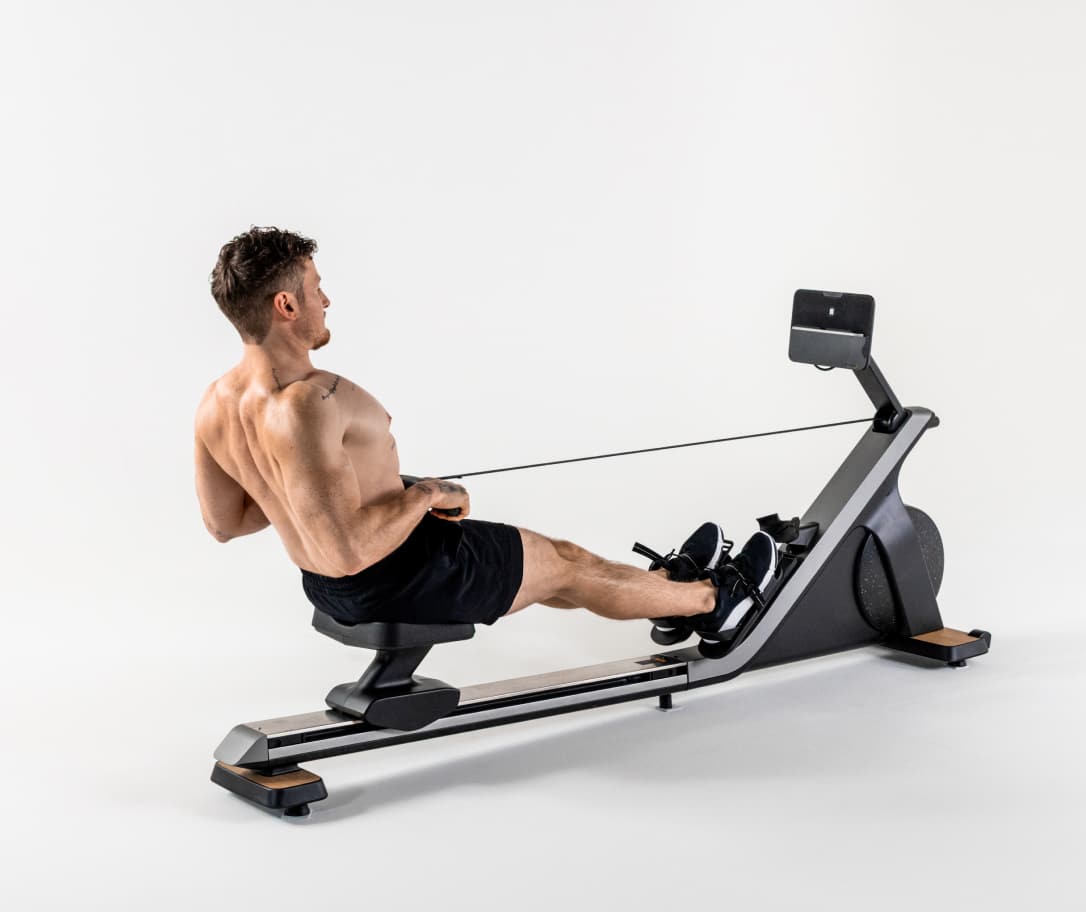
Examples of hybrid athlete events
Hybrid athletes are not just training for the sake of fitness – more often than not, they are preparing for specific fitness events that challenge both their endurance and strength. Some of the most well-known hybrid athlete fitness events include:
Hyrox
Hyrox is a fitness competition that includes eight 1 km runs, each run paired with various functional exercises, such as rowing, Burpees, sled pushes, and wall balls.
It's a prime example of an event that tests both endurance and strength, requiring athletes to be highly versatile.
Obstacle Course Races (OCRs)
OCR events like Spartan Races and Tough Mudder involve running, climbing, crawling, and jumping, while also requiring participants to complete physically demanding challenges like lifting heavy objects or carrying buckets of sand.
Hybrid training prepares athletes for these events by improving cardiovascular fitness and overall strength.
CrossFit Competitions
CrossFit combines high-intensity cardiovascular work with weightlifting and functional movements. CrossFit athletes must perform tasks like lifting, running, jumping, and climbing – all of which require a balance of strength and endurance.
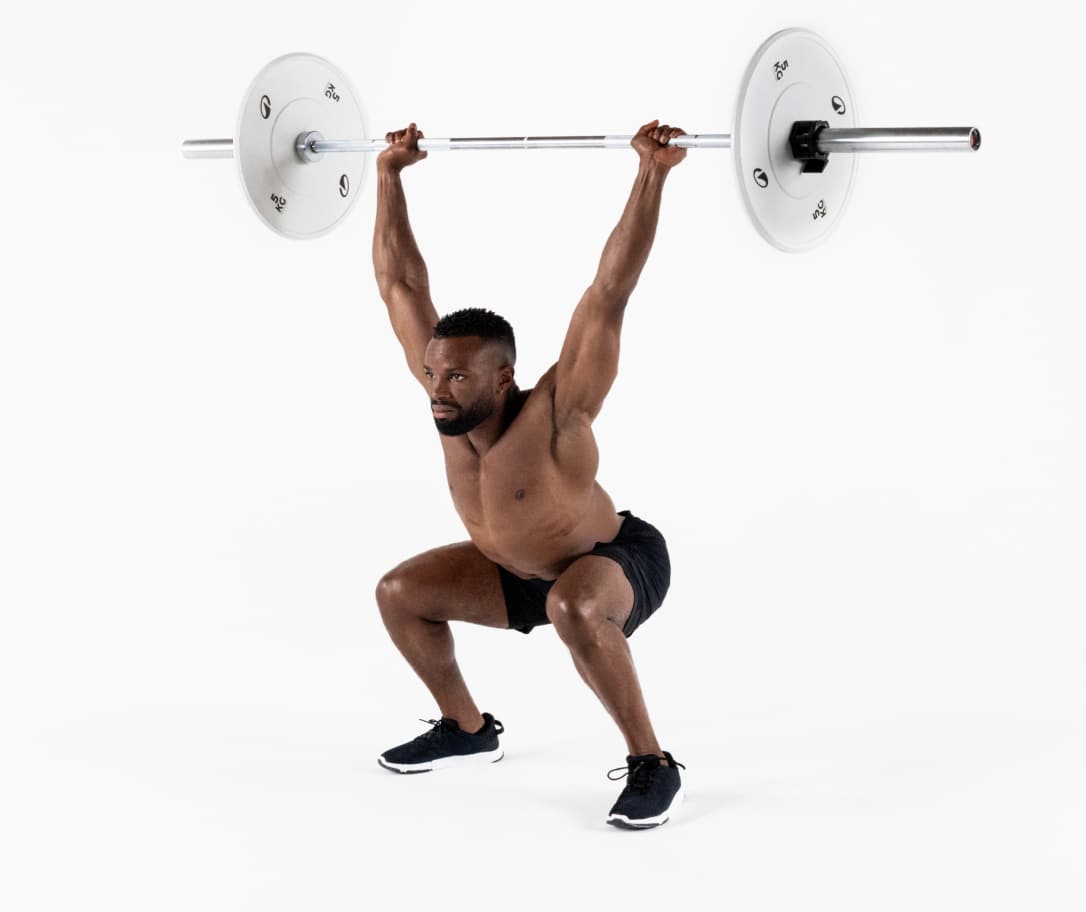
Common exercises in a hybrid training plan
A hybrid athlete’s training involves a mix of endurance exercises, training for strength, and functional movements.
Some of the most common exercises in a hybrid athlete's routine include:
- Running: Long-distance runs, sprints, or interval training
- Burpees: Full-body exercise that builds both strength and cardiovascular fitness
- Wall balls: Combining Squats and overhead throws, this is great for building strength and endurance
- Rowing: A low-impact, full-body exercise that builds cardiovascular endurance and upper body strength
- Sled pushes/pulls: Builds total-body strength, especially in the legs, while also increasing cardiovascular demand
Drawbacks of hybrid training
1. Difficult to plan and schedule
A hybrid training plan requires balancing multiple forms of exercise – strength training, endurance training, and rest days.
This can be difficult for those with busy schedules, as it may require more time and energy compared to a traditional training plan. Deciding when to run, when to lift, and when to rest can be a logistical challenge.
2. Time commitment
To train as a hybrid athlete, you’ll need to dedicate time to both endurance and strength sessions. Depending on your goals, this might mean spending several hours per week on training, which could be challenging for people with tight schedules.
3. Progressing in multiple disciplines can be tough
Improving in both strength and endurance simultaneously can be tricky due to the SAID principle, which refers to how your body adapts specifically to the type of demands you place on it.
As you focus on training for one aspect, like muscle strength, you may find your performance in endurance temporarily plateaus, and vice versa. This can be frustrating if you're trying to excel in both areas at the same time.

How to start training like a hybrid athlete
If you’re interested in training like a hybrid athlete, the key is to start gradually. Begin by incorporating a mix of endurance and strength training into your routine. Here's a basic plan to get you started:
- Start with a fitness assessment: evaluate your current endurance and strength levels.
- Set goals: Determine what you want to achieve – whether it’s completing a race or improving your overall fitness.
- Create a balanced schedule: Aim for 2-3 strength sessions per week, 2-3 endurance sessions (running, cycling, rowing, etc.), and at least 1-2 rest days per week.
- Track your progress: Monitor your improvements in both strength and endurance, making adjustments as needed.
How to know if hybrid training is right for you
Hybrid athlete training is perfect for those preparing for events like OCRs, Hyrox competitions, or any event that tests both strength and endurance.
It can also be the answer for anyone looking to break through fitness plateaus and build a more functional and resilient body.
While it can be challenging to balance the different training demands and progress might feel slower in some areas, the benefits of improved cardiovascular fitness, reduced injury risk, and more versatility make it an appealing option for many athletes.
Start small, be consistent, and watch your overall performance skyrocket!
You might also be interested in:
Sources
[1] MacIntyre, T., & Moran, A. P. (2016). Sport and exercise psychology: A critical introduction. Routledge.
[2] Hoffman, M. D., & Clifford, P. S. (2017). The role of cross-training in reducing injury risk. Medicine & Science in Sports & Exercise, 49(10), 2037–2044.
[3] Donnelly, J. E., & Smith, B. K. (2013). Interval training for improved athletic performance. Sports Medicine, 43(12), 1245–1262.