
Protein isn’t just for bodybuilders – that’s a myth. Protein plays a crucial role in weight management and can help you lose weight by increasing satiety and keeping you feeling full longer. It’s essential for anyone who wants to move well, recover faster, and remain healthy.
And for busy athletes juggling home life, work, and training, consistent protein consumption becomes even more important. It helps you stay energized and consistent, even when your schedule isn’t. Prioritizing protein prevents the mid-afternoon energy crash common with high-carb snacks.
That’s where simple, high-protein recipes can come in handy! Read on to get our 3 easy, protein-packed recipes!
Why is protein so popular right now?
Protein has surged in popularity and for good reason. There’s been a cultural shift in the fitness world. We’re no longer just chasing that calorie burn; instead, building strength and resilience has become a key training goal.
There’s also a greater awareness of the wider health benefits of protein-rich foods, such as their roles in healthy aging and appetite control. Supermarket shelves are also stocked with convenient high-protein foods, such as dairy products, shakes, ready meals, and cereals, prompting curiosity and awareness.
However, these convenience products aren’t always necessary. With a bit of careful planning, you can get the protein you need from simple, whole foods.

What is protein, and how does it support your fitness goals?
Protein is one of three macronutrients, alongside carbohydrates and fats, that your body needs to function.1 It’s made up of amino acids, often referred to as the building blocks of life because they repair tissues, build muscles, and support many physiological processes, including making hormones and supporting immunity.2
During exercise, like strength training and endurance training, your muscles undergo a small amount of damage. A high-quality protein source helps to repair this damage, making your muscles stronger and more resilient over time.
Here are some additional ways protein can support you toward your fitness goals:
- Muscle growth and repair: After training, protein can help rebuild muscle fibers and repair damage, helping your muscles become stronger and more resilient.3
- Improved recovery: Adequate protein intake reduces muscle soreness and speeds recovery between sessions, so you can stay on track with your exercise goals.
- Weight management: Protein helps you feel fuller and satisfied for longer, making you less likely to snack, which can support your fat loss goals and help you maintain a healthy weight.4
- Stabilizes your energy levels: Protein doesn’t spike your blood sugar like some refined sugary snacks, instead keeping them steady and preventing energy crashes.5
Why are simple, high-protein meals ideal for busy athletes?
When time is precious, meal prep probably isn’t at the top of your to-do list, but getting the ideal amount of protein in is key to achieving your fitness goals. And there are a ton of benefits of opting for simplicity over complexity when it comes to meal planning, including:
- reduces decision-making fatigue
- easier to repeat
- supports recovery with minimal effort
- saves time
How much protein do I need?
How much protein you need depends on your activity levels and your fitness goals. For older adults, maintaining a higher intake is especially important for muscle preservation. As a guide:
- Sedentary adults or anyone starting a new training program needs 0.8 g/kg of body weight
- Active adults need 1.2 to 2g/kg of body weight
- Those looking to build strength or lose fat need 1.6 to 2.2 g/kg of body weight6
3 simple high-protein meals for busy days
Here are 3 of our favorite super-simple, high-protein meals that are perfect for busy days when time is limited. With minimal time and effort, you can prepare a meal that’s packed with goodness, will keep hunger at bay, and promote muscle recovery.
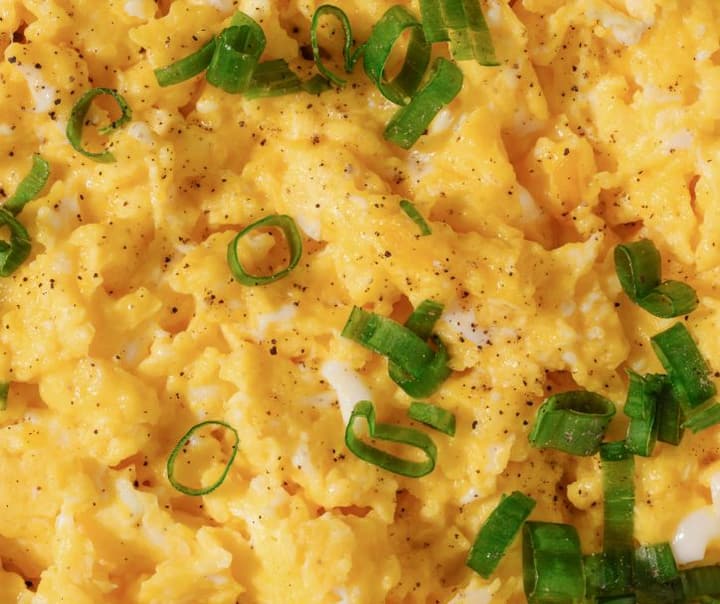
1. Breakfast: Scrambled egg cups
These scrambled egg cups make a great breakfast or high-protein post-workout snack.
Ingredients (makes 6)
4 whole eggs
4 egg whites
60 g cottage cheese or Greek yogurt
50 g diced cooked chicken, turkey, or ham (optional)
Handful of spinach, chopped
½ red pepper, diced
30 g grated cheese
Salt and pepper
Method
- Preheat the oven to 180°C and lightly grease a muffin tin.
- Whisk eggs, egg whites, and cottage cheese until smooth.
- Stir in vegetables, cooked meat (if using), and grated cheese.
- Pour mixture evenly into muffin cups.
- Bake for 15–18 minutes until set.
- Allow to cool slightly before removing.
Tip: Once you’ve made these, they’ll store in the fridge for up to 3 days, or you can freeze and reheat them for a super quick breakfast.
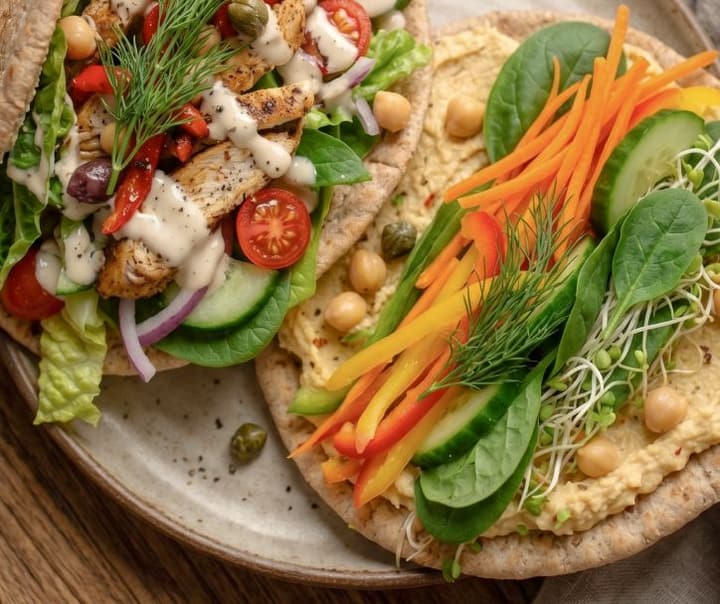
2. Lunch: Chicken and hummus wrap
This wrap is deliciously simple and perfect for lunch. It’s also versatile, so you can swap in another kind of lean meat, add extra vegetables, or switch the wrap for a flatbread or pita, depending on your preference.
Ingredients (Serves 1)
1 wholegrain wrap
120 g grilled chicken breast
2 tbsp of reduced-fat hummus
Handful of salad leaves of your choice - we love spinach or rocket
½ sliced red pepper
1 tbsp Greek yogurt
Method
- Spread the hummus across the wrap, making sure to cover it well.
- Add the sliced grilled chicken, pepper, salad leaves, and a dollop of Greek yogurt.
- Wrap tightly however you choose.
- Slice in half.
- Eat straight away or wrap in foil and refrigerate for later.
Tip: This is a great way to use up leftover chicken or turkey, or for even more convenience, buy pre-cooked chicken.
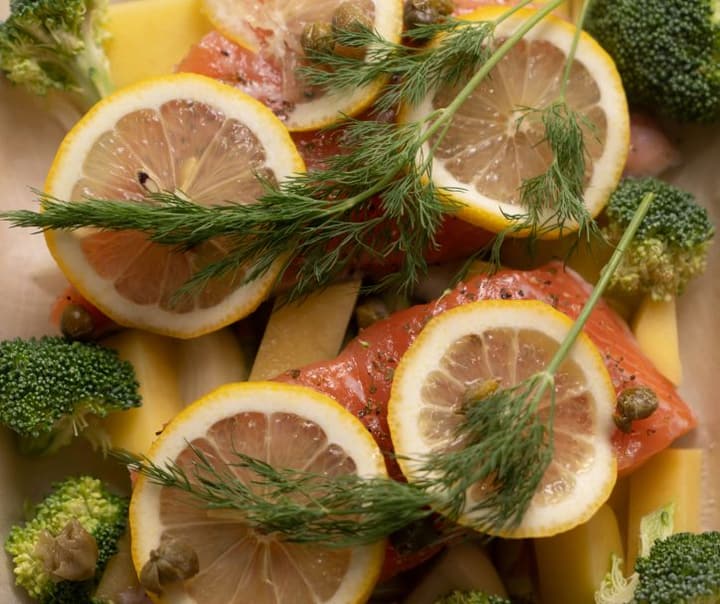
3. Dinner: Roasted salmon and summer vegetables
Salmon is a great way to boost your protein intake, and this dish requires minimal prep; you literally need one pan. It’s also packed with omega-3 fatty acids, which are crucial for heart, brain, and joint health.
Ingredients (Serves 2)
2 salmon fillets (120 to 150 g per person)
200 g washed new potatoes
200 g broccoli and green beans
200 g cherry tomatoes (halved)
1 bunch fresh basil (leaves only)
Pinch of salt, pepper, and paprika
Lemon wedge to serve
Method
- Begin by boiling the potatoes in a pan of salted water until cooked through (usually 10 to 12 minutes).
- Trim the green beans and add them to the pan with the broccoli for the final 2 minutes.
- Drain the veg and transfer into a large bowl, and add the cherry tomatoes and the basil leaves.
- Add ½ tablespoon of olive oil and toss everything together. Tip everything from the bowl into a roasting tray and season with salt and pepper.
- Season the salmon fillets with salt, pepper, and paprika. Then place them on top of the vegetables with the skin side facing up.
- Roast for 10 minutes or until the salmon fillets are cooked through.
Tip: Serve with a lemon and Greek yogurt dressing for an extra protein boost.
Looking for some high-protein BBQ ideas? Check out our easy grill recipes.
Meal prep hacks to make high-protein eating easier
Eating healthily doesn’t need to be time-consuming, and it doesn’t always require hours of prepping. A few smart nutrition hacks can save you loads of time.
Here are some of our top tips:
- Batch cook a protein base: Cook large portions of protein to use as a base for your meals and then store them in the fridge or freezer. Ideas include chicken, turkey, lentils, tofu, and lean ground beef.
- Pre-chop your vegetables: You can save time by buying pre-washed salad mixes, using frozen vegetables, or prepping veg in bulk and freezing it once or twice a week.
- Freeze leftovers: Freeze leftover meat from a Sunday lunch or double your recipes and freeze half for another day.
- Use “mix and match meals”: Keep meals simple and flexible and think in terms of their components, e.g., “protein + carb + veg” (chicken + rice + broccoli or salmon + potatoes + greens).
- Keep high-protein staples nearby: Stock your kitchen with protein staples, like eggs, Greek yogurt, tinned tuna, beans, legumes, nuts and seeds.
Let’s recap
High-protein diets don’t need to be complicated or require hours of prep work. The simpler your approach is, the more likely you are to stick to it. And consistency is where the magic happens.
Give one or two of our recipes a go this week to experience firsthand how easy it is to fuel your body with the protein you need, even when your schedule is busy.
Try Freeletics nowYou might also be interested in:


Sources
[1] Espinosa-Salas S, Gonzalez-Arias M. Nutrition: Macronutrient Intake, Imbalances, and Interventions. [Updated 2023 Aug 8]. In: StatPearls [Internet]. Treasure Island (FL): StatPearls Publishing; 2026 Jan-.
[2] eufic (2019). What Are Proteins and What Is Their Function in the Body?
[3] Kreider, R. (2009). Protein for Exercise and Recovery. The Physician and sportsmedicine, 37(2), 13–21.
[4] Leidy, H. J., Clifton, P. M., Astrup, A., Wycherley, T. P., Westerterp-Plantenga, M. S., Luscombe-Marsh, N. D., Woods, S. C., & Mattes, R. D. (2015). The role of protein in weight loss and maintenance. The American journal of clinical nutrition, 101(6), 1320S–1329S.
[5] Gannon, M. C., Nuttall, F. Q., Saeed, A., Jordan, K., & Hoover, H. (2003). An increase in dietary protein improves the blood glucose response in persons with type 2 diabetes. The American journal of clinical nutrition, 78(4), 734–741.
[6] Wu G. (2016). Dietary protein intake and human health. Food & function, 7(3), 1251–1265.
