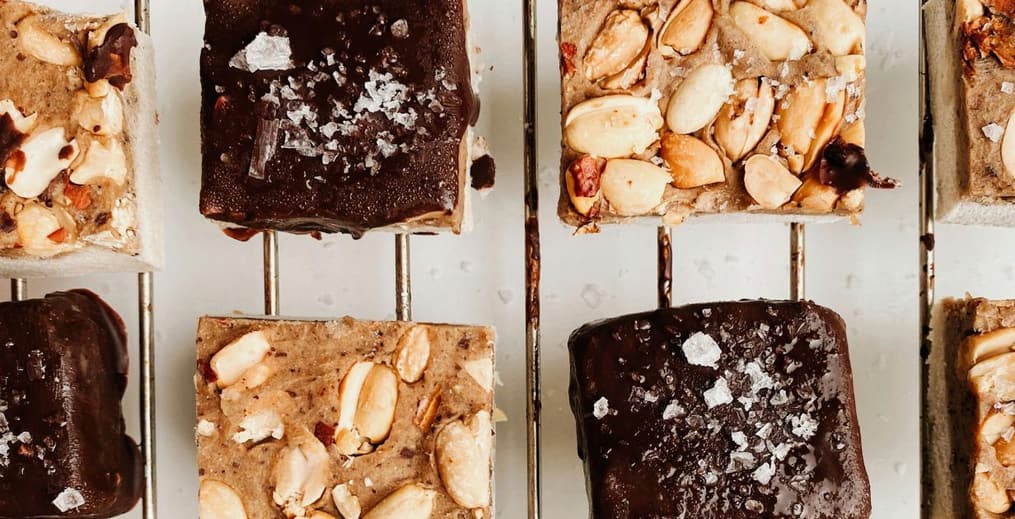
Homemade protein bars give you an easy, high-protein snack you can make with minimal equipment. This guide includes four protein bar recipes, from no-bake to vegan, so you can find one that fits your routine.
When you're working out consistently, having a convenient snack on hand helps you meet your nutrition goals. Protein supports muscle repair, recovery, and adaptation, while carbohydrates help replenish the energy stores used during training. Pre-packed protein bars are convenient, but they can be expensive and often contain more sugar and additives than you'd expect.
Making your own protein bars at home puts you in control of the ingredients, sweetness, and portion size. Below, we cover the benefits of making your own, provide four homemade protein bar recipes that need minimal equipment and effort, and offer tips for customizing them to your tastes and dietary needs.
Why make your own protein bars?
Homemade protein bars can be just as convenient as packaged bars once you incorporate them into your weekly food prep routine. They offer convenience, autonomy over the ingredients, and can even cost less in the long run. Here are some of the advantages of making your own snacks.
- You control the ingredients: Decide how much honey, maple syrup, or dried fruit to use, helping you control the sugar and calorie content. You can also avoid allergens, sweeteners, or flavors that do not suit you.
- They’re cost-effective: Although ingredients such as oats, nut butter, and protein powder cost more upfront, they make several batches. This can make each homemade bar considerably cheaper than a store-bought alternative.
- You can adapt them to your needs: Add oats or dried fruit for more carbohydrates, increase the protein powder for extra protein, or modify the recipe to suit a vegan, gluten-free or nut-free diet.
What makes a good homemade protein bar?
A good protein bar needs several components to make it successful, tasty, and stable. For example, any good protein bar needs a protein source, a good binder to hold the ingredients together, and enough moisture to stop it from becoming too dry or crumbly.
Here are four key considerations when making your own protein bars:
- Choose a good protein source. Although whey, casein, soy, and pea protein powders can make it easy to create a high-protein bar, protein powder isn’t always essential. Ingredients such as Greek yogurt, eggs, nuts, oats, seeds, and nut butter can all increase the protein content of your bars.
- Add a good-quality binder. When making homemade protein bars, you need an ingredient that will hold everything together. Things like nut butter, mashed dates, honey, or maple syrup can be suitable options, depending on the texture you’re trying to achieve. Dates make a chewy, dense bar, while nut butter creates softer and creamier snacks.
- Aim for a useful protein amount. A practical target for a snack-sized bar is approximately 10–20g of protein. Research guidance commonly suggests consuming around 20–40g of high-quality protein per meal or serving to support muscle protein synthesis, although individual needs vary with body size, age, diet and training demands.1 Total protein intake across the day matters more than relying on a single “perfect” post-workout snack. However, if you prefer smaller bars, pairing them with Greek yogurt or a milk or fortified soy drink can help you meet the demands of training.
- Consider storage. Bars containing yogurt, egg, or other perishable ingredients must be refrigerated. Even no-bake bars made from pantry ingredients usually hold their shape and remain fresher in the fridge. Freezing individual portions is useful if you want to prepare several weeks at once. These factors are worth considering when making your bars at home, especially if you want to eat on the go or have limited storage space.
Recipe 1: Easy no-bake peanut butter protein bar recipe
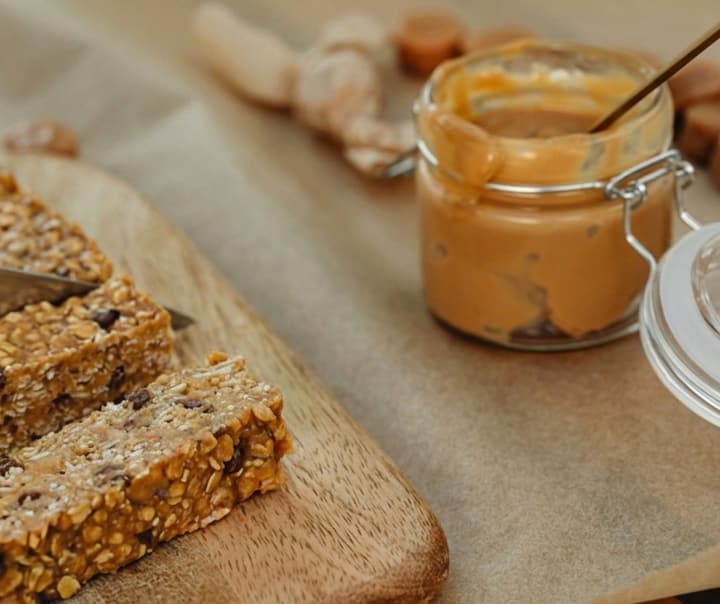
These soft, chewy bars take about 10 minutes to prepare and require only a bowl, a spoon, and a lined container. Say hello to your new favorite peanut butter protein bar recipe.
Makes: 8 bars
Estimated protein: 13 to 25g per bar
Ingredients
- 160g smooth peanut butter
- 120g rolled oats
- 120g vanilla protein powder
- 80ml milk or unsweetened soy drink
- 2 tablespoons honey or maple syrup
- Pinch of salt, optional
Method
- Mix the peanut butter and honey or maple syrup in a large bowl.
- Stir in the oats and protein powder.
- Slowly add the soy milk until the mixture holds together when pressed. You may not need all of it.
- Firmly press the mixture into a small lined container.
- Refrigerate for at least one hour, then cut into eight bars.
Why does this work for training? Protein supports muscle recovery, while the oats provide carbohydrates to replenish energy after training. Pair the bar with milk or yogurt if you need a higher-protein post-workout snack.
Recipe 2: Chocolate brownie protein bars
Cocoa powder and dark chocolate give these bars a rich chocolate flavor without requiring a thick confectionery-style coating.
Makes: 8 bars
Estimated protein: 12–14g per bar
Ingredients
- 120g chocolate protein powder
- 100g rolled oats
- 30g unsweetened cocoa powder
- 150g smooth almond or peanut butter
- 100–120ml milk or plant-based drink
- 40g dark chocolate, melted
Method
- Combine the protein powder, oats, and cocoa in a bowl.
- Add the nut butter and 100ml of milk, then mix thoroughly. Add the remaining milk a spoonful at a time if the mixture is too dry.
- Press firmly into a lined container.
- Drizzle or spread the melted dark chocolate over the top.
- Chill for one to two hours before cutting into eight bars.
Why does this work for training? This bar combines protein and carbohydrates in a convenient chocolate snack. It can support recovery after exercise while containing less added sugar than many chocolate-coated protein bars.
Recipe 3: Oat and date whole-food protein bars
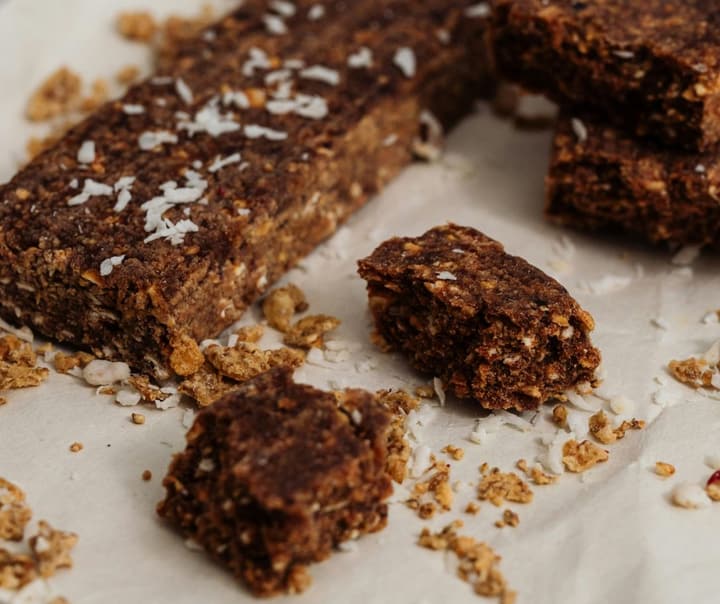
Looking for a protein bar recipe without protein powder? These baked bars are made with whole foods. Their protein comes from eggs, peanut butter, oats and pumpkin seeds, while dates provide natural sweetness and help bind the ingredients.
Makes: 8 bars
Estimated protein: 8–10g per bar
Ingredients
- 180g rolled oats
- 150g soft, pitted dates
- 150g peanut or seed butter
- 2 medium eggs
- 60g pumpkin seeds
- 1 teaspoon cinnamon
- 2–4 tablespoons water, if needed
Method
- Heat the oven to 180°C or 160°C if fan-assisted.
- Cover the dates with hot water for 10 minutes. Drain them, then mash thoroughly with a fork.
- Mix the mashed dates with the nut butter and eggs.
- Stir in the oats, pumpkin seeds, and cinnamon. Add a little water if the mixture is too stiff to combine.
- Press into a lined baking pan and bake for 18 to 22 minutes, until lightly golden and firm around the edges.
- Allow to cool completely before cutting into eight bars.
Why does this work for training? Oats, eggs, peanut butter and seeds provide protein, carbohydrates and healthy fats. For a more substantial post-workout snack, pair one bar with Greek-style yogurt, skyr or milk.
Recipe 4: Vegan protein bars recipe – tahini and soy
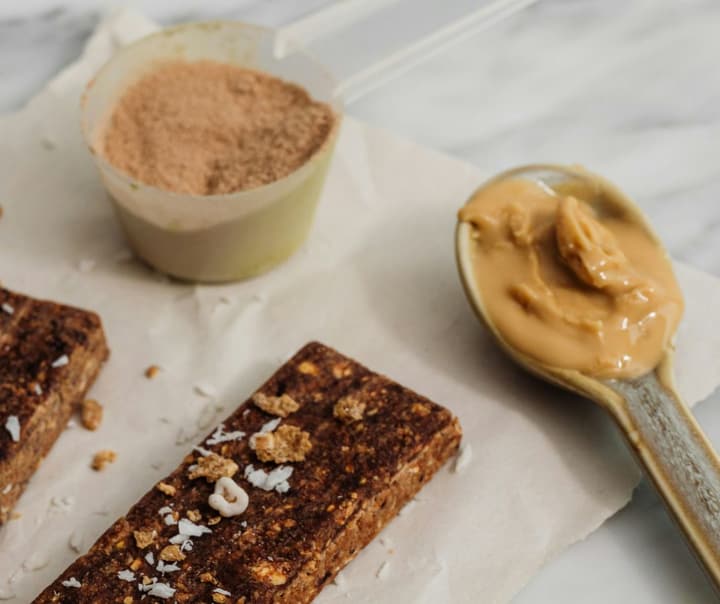
Tahini, soy protein and sesame seeds create a completely plant-based bar with a slightly nutty flavor. Using tahini also makes the recipe suitable for many people avoiding peanuts and tree nuts, although individual allergy advice and product labels must always be checked.
Makes: 8 bars
Estimated protein: 13 to 15g per bar
Ingredients
- 120g soy or pea protein powder
- 120g rolled oats
- 150g tahini
- 3 tablespoons maple syrup
- 100–130ml unsweetened soy drink
- 30g sesame or pumpkin seeds
Method
- Combine the protein powder, oats, and seeds in a mixing bowl.
- Stir in the tahini and maple syrup.
- Gradually add the soy drink until a thick, pressable mixture forms.
- Press into a lined container and smooth the surface.
- Refrigerate for at least one hour, then cut into eight bars.
Why does this work for training? Soy or pea protein makes this a convenient plant-based recovery snack. The oats also provide carbohydrates, helping to replenish energy used during training.
How to customize your protein bars
These are just basic protein bar recipes to get you started, but there are plenty of things you can do to customize the flavor, texture, or consistency. You can also make subtle adaptations to ensure the protein bar meets your dietary needs.
Some of the things you can try include:
- Change the protein flavor by adding vanilla powder with cinnamon or berries, chocolate powder with orange zest, or unflavored powder with your preferred spices.
- Add texture through mixing in chopped nuts, pumpkin seeds, sunflower seeds, cacao nibs, or toasted coconut.
- Increase sweetness by adding a small amount of dark chocolate, dried cherries, cranberries, chopped apricots, or by using naturally sweet binders such as honey or maple syrup.
- Make them vegan-friendly by choosing plant protein, maple syrup, and plant-based milks. You can replace eggs in baked recipes by using egg substitutes, such as Chia eggs, but this may also change the texture.
- Go gluten-free by using gluten-free oats and checking packaged ingredients to ensure they are gluten-free.
- Make them nut-free by replacing nut butter with tahini or sunflower seed butter.
- Adjust the consistency by adding more oats if the mixture is too sticky, or more liquid (one tablespoon at a time) if it is too crumbly.
How to store homemade protein bars

Place the bars in an airtight container, separating layers with baking paper so they do not stick together.
No-bake bars will generally maintain their best texture in the fridge for around five to seven days. Because the whole-food bars contain eggs, refrigerate them promptly and eat them within three to four days. If a bar develops an unusual smell, appearance, or texture, discard it.
For longer storage, wrap the bars individually and freeze them. Most will retain good quality for up to two or three months. Defrost a bar overnight in the fridge or carry it in a sealed container until thawed. Proper chilling and freezing help reduce the growth of harmful bacteria.
Let’s recap
Homemade protein bars are a simple and affordable way to keep a convenient snack available for training days, work, or travel. You control the sweetness, ingredients and serving size, making it easier to match each bar to your dietary needs and your overall fitness goals.
Choose one recipe to prepare this week, portion it in advance and keep a few bars in the freezer. Once you find a base recipe you like, adjust the flavors and add-ins to keep your weekly protein snacks varied.
FAQ
How long do homemade protein bars last?
Most homemade protein bars keep for up to one week in an airtight container in the fridge, although bars containing egg or other perishable ingredients should be eaten sooner.
Can I make protein bars without protein powder?
Yes, you can make protein bars using whole-food protein sources such as eggs, oats, nuts, seeds, nut butter, seed butter and dairy or fortified soy products.
How much protein should a protein bar have?
A protein bar should have around 10–20g protein, which is a practical amount for a snack. But the right serving depends on your body size, total daily protein intake, diet and training goals.
Can I freeze homemade protein bars?
Yes, you can freeze homemade protein bars. Wrap the bars individually, place them in a freezer-safe container, and freeze them for up to two or three months for convenient grab-and-go portions.
[1] Jäger, R., Kerksick, C. M., Campbell, B. I., Cribb, P. J., Wells, S. D., Skwiat, T. M., Purpura, M., Ziegenfuss, T. N., Ferrando, A. A., Arent, S. M., Smith-Ryan, A. E., Stout, J. R., Arciero, P. J., Ormsbee, M. J., Taylor, L. W., Wilborn, C. D., Kalman, D. S., Kreider, R. B., Willoughby, D. S., Hoffman, J. R., … Antonio, J. (2017). International Society of Sports Nutrition Position Stand: protein and exercise. Journal of the International Society of Sports Nutrition, 14, 20.
