Movement snacks are short bursts of intentional physical activity – usually 30 seconds to two minutes – performed multiple times throughout your day. Instead of one long workout, you break it into small, manageable pieces.
They are quick, accessible, and surprisingly offer a ton of health benefits. When done multiple times per day, short bursts of movement can boost heart health, energy, focus, and longevity. It’s the ideal exercise for busy days when you’re short on time.
Let’s explore what the science says and how you can start using movement snacks today.
What is Movement Snacking?
We live in a world built for sitting. From desks to cars to couches, hours can pass before we realize we have barely moved.
Traditional advice often highlights the need for 150 minutes of moderate intensity activity per week, typically broken into 30 to 60 minutes of structured exercise most days of the week. While that’s a great goal, it can also feel unrealistic.
Enter movement “snacks.” Think of them like exercise in bite-sized portions.
Examples of exercise snacks include:
- 10 bodyweight Squats every hour
- A one-minute Wall Sit before lunch
- Climbing stairs for two minutes
- 20 Pushups after a meeting
- A short high-intensity bodyweight circuit
The key idea: consistency over duration to improve your overall health.
The Science: Why “Micro-workouts” work
For years, experts believed exercise had to last at least 10 minutes to “count.” That belief has changed. Research now shows that even very short bouts of vigorous activity can significantly improve health.
Just a few minutes of vigorous intermittent lifestyle activity, like fast stair climbing or brisk walking, was linked to a substantially lower risk of cardiovascular disease and cancer.1
Other research shows that interrupting long periods of sitting with brief activity improves blood sugar control and insulin sensitivity.2 This is especially important because prolonged sitting is associated with higher risks of heart disease, diabetes, high blood pressure, and early death.
In other words, small movement breaks are not trivial. They directly counteract the negative effects of sitting.
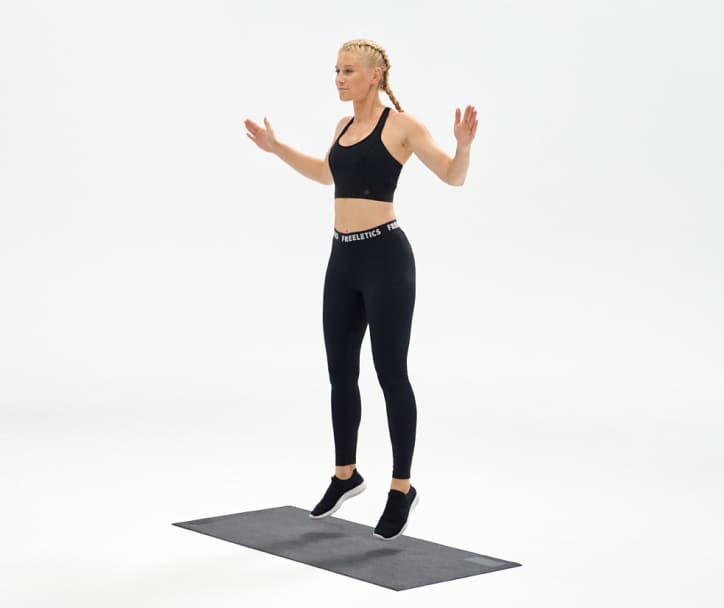
Movement snacks and heart health
Your heart responds extremely well to short bursts of effort.
Studies on stair climbing, a classic movement snack, show improvements in cardiovascular fitness after just a few weeks.3 In one trial, participants who performed brief stair-climbing intervals multiple times per day improved their aerobic capacity, a strong predictor of longevity.
Even 60 seconds of vigorous activity, done a few times daily, can raise the heart rate enough to stimulate adaptation. Over time, these micro-stimuli add up.
Think of it like brushing your teeth. You don’t brush for 30 minutes once a week. You do it for a few minutes every day. Your cardiovascular health can benefit from a similar approach long-term.
Metabolic benefits in minutes
After meals, blood sugar naturally rises. Long periods of sitting make this spike worse. Brief activity breaks, however, can significantly blunt the rise.
Research shows that light walking or simple bodyweight movements every 20 minutes to 30 minutes can reduce post-meal glucose and insulin levels. Over months and years, this may reduce the risk of type 2 diabetes.
Muscle contractions act like a sponge for glucose. Even a short set of body weight Squats or Lunges activates large muscle groups, helping pull sugar from the bloodstream.
If you work at a desk, a two-minute movement snack every hour or even just taking the stairs instead of the elevator could be one of the simplest metabolic upgrades you make.
Brain power and mood
Movement snacks are not just for the body. They’re powerful for the brain.
Short bouts of physical activity increase blood flow to the brain and stimulate neurotransmitters like dopamine and serotonin. Even brief exercise improves executive function, attention, and mood.4
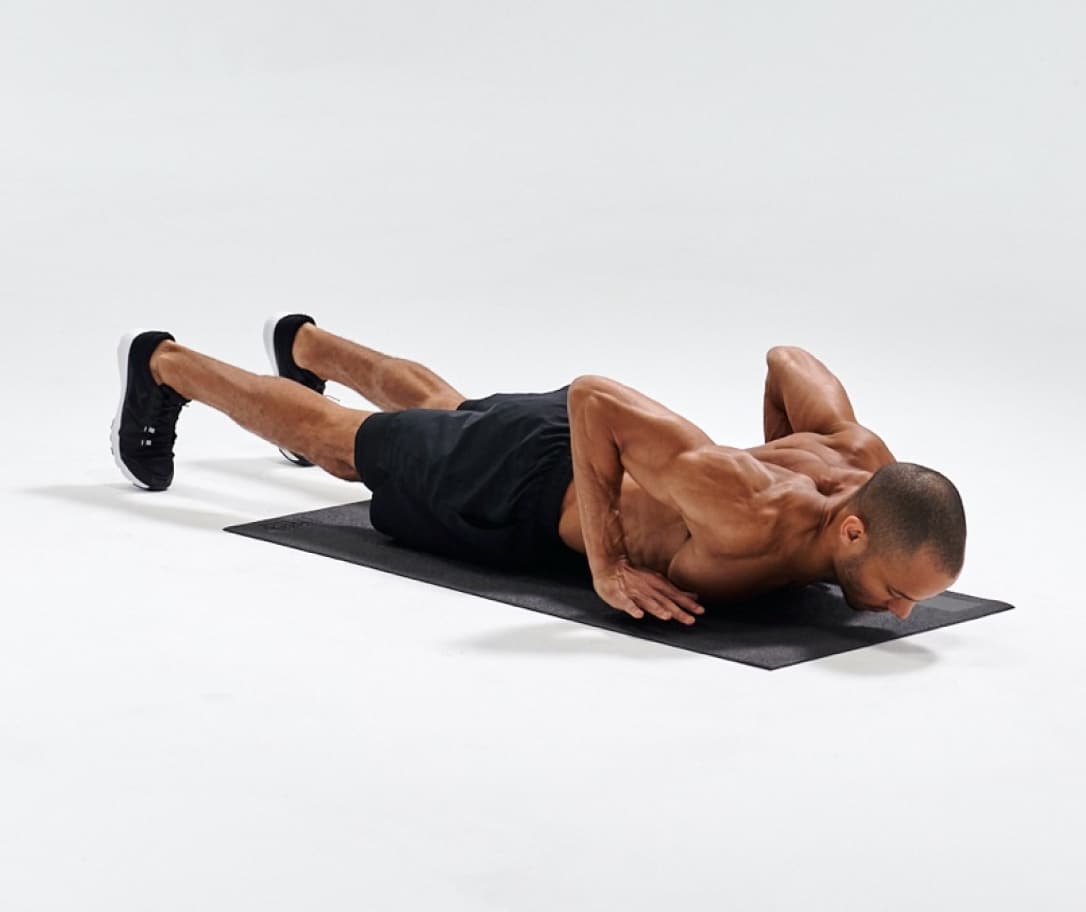
This makes movement snacks ideal during work or study sessions. A quick set of Jumping Jacks, Pushups, or Mountain Climbers can reset your focus faster than scrolling your phone.
Breaking up sitting: why it matters
Even if you regularly exercise, long periods of uninterrupted sitting still carry health risks. Researchers call this the “active couch potato” problem.
High sitting time is associated with increased mortality risk, especially among those who are otherwise inactive.
Movement snacks directly address this issue. They interrupt sedentary time and create metabolic and circulatory resets.
A simple rule of thumb:
Move for at least one to three minutes every 30–60 minutes.
Set a timer. Stand up. Do something simple. Repeat.
How to design your own movement snacks
Movement snacks should be:
- Short (30 seconds to two minutes)
- Simple (no equipment required)
- Scalable (adjustable intensity based on your fitness level)
- Repeatable (easy to do daily)
Below are some sample templates.
Strength snack (Two minutes)
- 10 Squats
- 10 Pushups
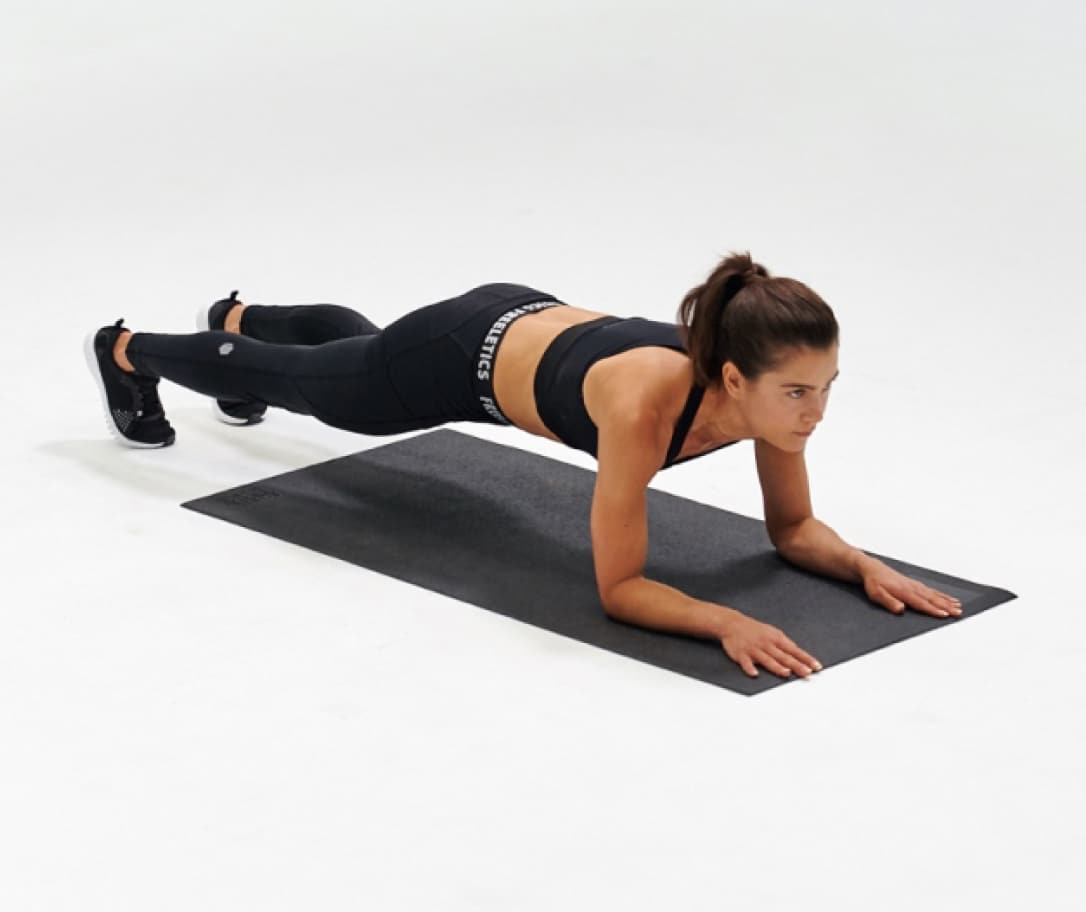
- 20-second Plank
Cardio snack (One to three minutes)
- Stair Sprint
- Jump Rope
- High Knees
- Burpees
Mobility snack (two minutes)
- World’s Greatest Stretch
- 90 to 90
- Thread the Needles
You can schedule them:
- After bathroom breaks
- Before coffee
- Between meetings
- During TV commercials
Movement snacks are also a great opportunity to practice habit stacking. For example, while you’re waiting for your coffee to brew, try doing 20 Calf Raises.
How much is enough?
There is no strict minimum. But research suggests that accumulating even three to five minutes of vigorous activity per day, broken into small bursts, is associated with meaningful reductions in mortality risk.
If you add:
- One minute of stairs in the morning
- One minute of Squats midday
- One minute of brisk walking in the afternoon
You already have three minutes.
Over a week, that’s 21 minutes of higher-intensity work – something you could fit into your busy schedule without having to change clothes or block off gym time.
Of course, longer workouts, such as Zone 2 cardio, High Intensity Interval Training (HIIT), or traditional strength training, are still beneficial. Movement snacks are not necessarily a replacement for structured training. They are a powerful addition – or a starting point for people who feel overwhelmed.
Making it stick
The biggest barrier to exercise is not knowledge. It’s consistency. Movement snacks succeed because they lower friction:
- No commute
- No equipment
- No 60-minute commitment
- No perfection required
They fit into real life.
To build the habit:
- Pair movement with existing routines
- Track daily “snack streaks”
- Start very small, such as 10 Calf Raises instead of jumping straight into Pushups
- Focus on identity: “I’m someone who moves often.”
Small actions repeated daily create lasting change.
The bottom line
Your body does not require marathon workouts to improve. It responds to frequent signals. Every Squat, stair climb, Pushup, or brisk walk is a biological message to improve muscle strength: adapt, strengthen, grow.
Movement snacks transform exercise from an event into a rhythm. They turn “I don’t have time” into “I have a minute.” And over months and years, those minutes may add up to better heart health, improved metabolism, sharper focus, and a longer life.
You don’t need an hour. You just need a snack.
You might also be interested in:
Sources
[1] Stamatakis, E., et al. (2022). Short bursts of vigorous intermittent lifestyle physical activity and cancer incidence and mortality. Nature Medicine, 28(12), 2521–2526.
[2] Dunstan, D. W., et al. (2012). Breaking up prolonged sitting reduces postprandial glucose and insulin responses. Diabetes Care, 35(5), 976–983.
[3] Allison, M. K., et al. (2017). Brief intense stair climbing improves cardiorespiratory fitness. Applied Physiology, Nutrition, and Metabolism, 42(3), 275–281.
[4] Chang, Y. K., et al. (2012). Effects of acute exercise on cognitive performance: A meta-analysis. Brain Research, 1453, 87–101.